Moisture Matters: Mold Prevention and Remediation in Hospitals and Long-Term Care
Moisture Matters: Mold Prevention and Remediation in Hospitals and Long-Term Care
Hospitals and long-term care facilities (LTC) are sanctuaries of healing and care. Keeping these environments clean and safe is vital for protecting the health and well-being of patients, staff, and visitors. Mold can be an insidious threat in these facilities, often appearing and spreading unseen. Its growth can have significant effects on the health of building occupants, particularly those who are already vulnerable. Dealing with mold in hospitals and LTC facilities demands a strategic approach to manage and maintain indoor air quality (IAQ). In this blog post we will explore what makes these environments susceptible to mold growth, some of its possible causes, as well as how to help remediate and mitigate the spread of any molds that find their way into the facilities.
The Hidden Dangers of Mold in Healthcare Settings
mold can pose significant health risks, particularly for individuals with compromised immune systems or pre-existing respiratory conditions. The consequences of mold exposure to health can range from mild to severe. Symptoms can often mimic those of a common cold or allergies, including wheezing, coughing, watery/red eyes, nasal and sinus congestion, throat and skin irritation, nosebleeds, fevers, and headaches. In more severe cases exposure can lead to extreme fatigue, memory loss, and dizziness. Mold can worsen existing health conditions and even be fatal for the elderly and those with compromised immune systems, and studies have shown asthma reactions can increase by 30-50% when mold is present. This means the control and remediation of mold in hospitals and LTC facilities is a critical matter of patient safety.
Why Mold Thrives in Healthcare Environments
Several factors contribute to the potential for mold growth in hospitals and LTC facilities. These buildings often have aging infrastructure that may have been built to different specifications decades ago, making them more susceptible to problems from wear and tear. The essential conditions for mold growth — a temperature range of 60-80 degrees Fahrenheit, moisture, and a lack of ventilation — are readily found in these settings.
Moisture is a primary driver of mold growth and can originate from various sources within healthcare and LTC facilities:
- Improperly ventilated showers can mean condensation soaks into building materials like ceilings and walls;
- Laundry facilities often run continuously and can contribute to elevated moisture levels;
- Seemingly minor incidents, such as taps accidentally left running, can lead to water infiltrating floors and walls;
- Accidental flooding or water used during frequent cleaning can become trapped behind baseboards, wicking up behind walls;
- In older facilities moisture can build up around wood-framed windows, fostering mold growth that can spread into adjacent walls;
- Unexpected events like leaking pipes and flooding from storms can create standing water, allowing mold to grow in as little as 24 to 48 hours; and
- Changes in building construction practices leading to tightly sealed, unventilated buildings can trap condensation creating additional moisture.
Finally, HVAC systems are crucial for air quality but can inadvertently facilitate the spread of mold spores if not properly maintained and inspected. Systems that were sufficient when buildings were constructed may now be undersized and help create conditions conducive to mold growth.
Prevention: The First Line of Defence
Preventing mold growth is paramount in healthcare settings and maintaining optimal IAQ is a critical first step. HVAC systems play a crucial role in filtering air and controlling humidity levels. Utilizing high-quality air filters, including MERV-rated filters (ideally 13 or higher) capable of capturing smaller particulates like mold spores, bacteria, and viruses, is recommended. In critical areas such as patient rooms, operating theaters, and ICUs, HEPA (High-Efficiency Particulate Air) filters, designed to capture at least 99.97% of particles as small as 0.3 microns, are particularly beneficial.
Controlling humidity levels is equally essential, as mold thrives in environments with humidity above 60%. Hospitals and LTC facilities should aim to maintain indoor humidity between 30-50%, using industrial-grade dehumidifiers where necessary, especially in areas prone to moisture. Implementing leak detection technology and ensuring minor leaks are addressed urgently can prevent larger issues from developing. Regularly monitoring for signs of moisture or mildew is a crucial aspect of proactive mold prevention.
Effective Remediation: Acting Swiftly and Strategically
Despite preventative measures, mold growth can still occur. If it does, acting fast is necessary. The longer mold is left unaddressed, the more dangerous it becomes and the more challenging it is to remove. For larger mold infestations it is recommended to involve a specialist to assess and set the scope of work for removal.
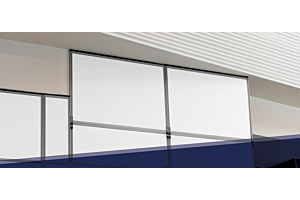
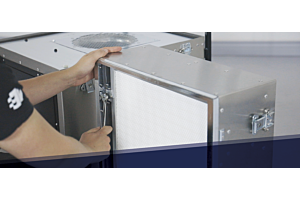
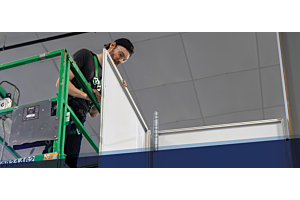
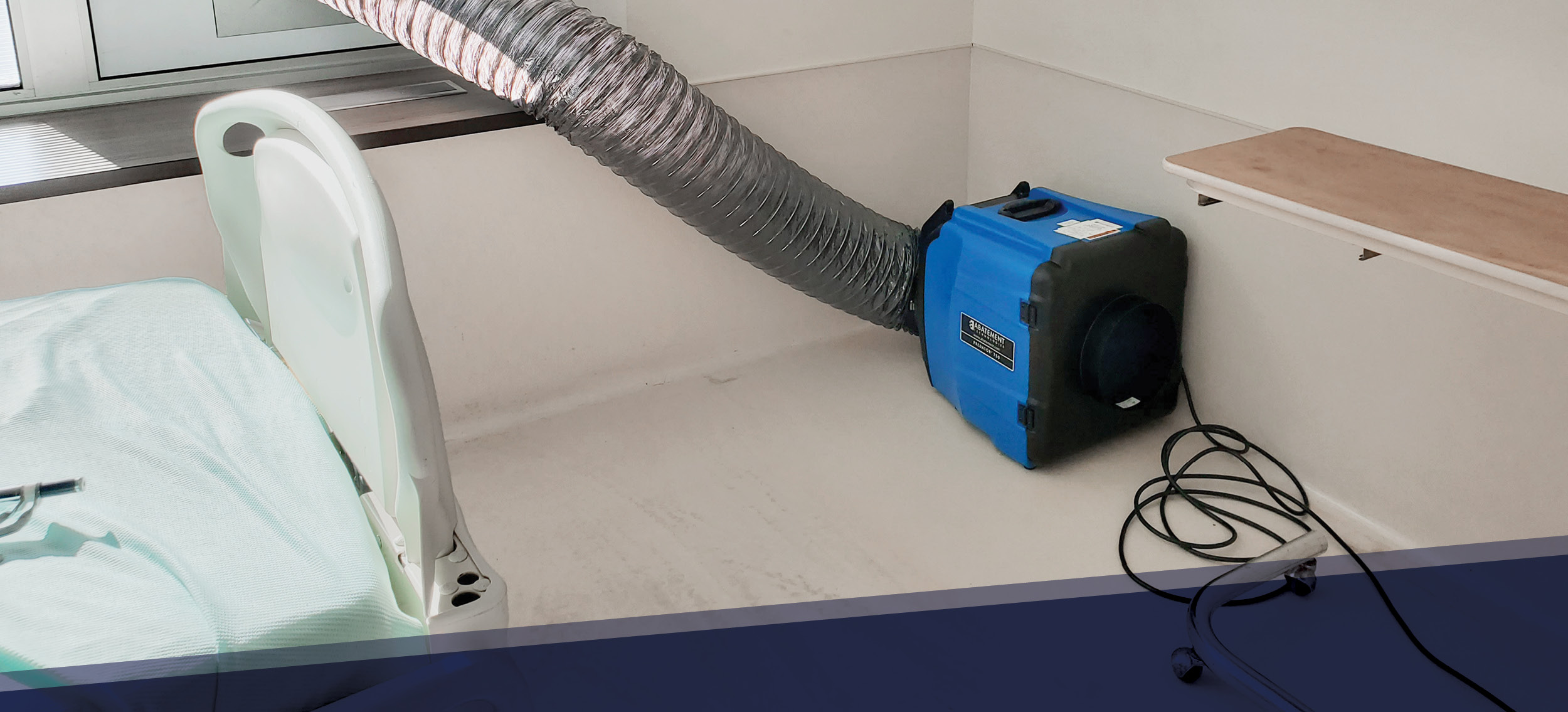
Effective mold remediation in healthcare settings requires a strategic approach focused on containment, removal, and prevention of further spread. Setting up safe containment around the affected area is vital to prevent mold spores from contaminating other parts of the facility. This involves closing off HVAC grills and sealing cracks and crevices. Reusable containment barriers, like SHIELD WALL™, offer a quick, reusable, and easy-to-install alternative to traditional poly sheeting and drywall. These modular walls can be paired with air filtration devices, such as portable air scrubbers or negative air machines equipped with HEPA filters, to create a negative pressure environment within the contained space.
Workers should wear properly fitted personal protective equipment (PPE) to ensure their safety during mold remediation, including respirators, gloves, and goggles with HEPA filters. Following established guidelines and standards is essential for proper mold remediation, and air quality testing must take place before, during, and after removal to verify the mold issue has been rectified.
Conclusion: Safeguarding Health Through Vigilance and Expertise
mold in hospitals and LTC facilities is an invisible threat with the potential of serious consequences for patients, residents, staff, and visitors. Understanding the causes of mold growth, recognizing the associated health risks, and implementing proactive prevention strategies are crucial first steps. When mold does occur, swift and strategic remediation efforts applying containment, negative pressure with HEPA filtration, and adherence to industry best practices, are essential to restore a safe and healthy environment. Through diligence, proper maintenance, and expert mitigation, building managers can effectively safeguard these facilities from the dangers of mold and ensure the well-being of those in their care.
At Abatement Technologies our team of Aire Guardians specializes in recommending the right products to get the job done, helping keep mold at bay in hospitals and LTC facilities. mold won’t wait and neither should you: contact an Aire Guardian today!